Most people have wardrobes full of clothes and nothing to wear. This paradox — too much and not enough — is one of the most common frustrations in personal style, and it's almost always a curation and management problem, not a quantity problem. Working with a stylist or tailor to audit, organise, and strategically build your wardrobe can resolve this in ways that self-directed shopping never does.
Understanding What Wardrobe Management Actually Means
Wardrobe management is the practice of treating your clothing as a curated, intentional collection rather than an accumulation of purchases. It involves regular auditing (removing what no longer serves you), strategic acquisition (adding pieces that work with what you have), maintenance (caring for garments so they last), and organisation (storing and accessing pieces efficiently). A fashion professional brings objective perspective and expertise to all four of these areas.
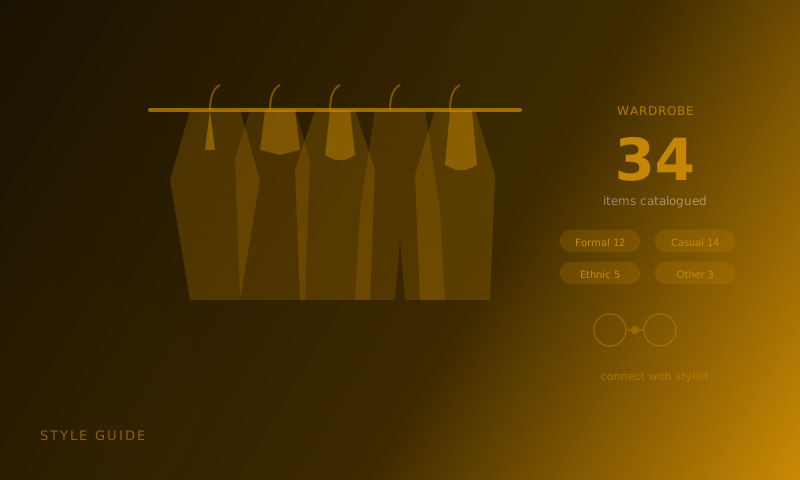
On Tailorte, your stylist or tailor can maintain a digital record of your wardrobe — logging key pieces, their condition, what they pair with, and what gaps exist. This shared wardrobe record becomes the foundation for every future session, ensuring that advice and new commissions are always informed by your full wardrobe context.
Starting with a Wardrobe Audit
Before any meaningful wardrobe management can happen, you need a clear picture of what you currently own. A wardrobe audit — ideally conducted with your stylist or tailor — involves pulling everything out, assessing each piece for fit, condition, and relevance to your current life and style, and making clear decisions about what stays, what goes, and what needs altering.
- Keep: Pieces that fit well, are in good condition, and align with your current lifestyle and style goals
- Alter: Pieces you love that need a fit adjustment — a tailor can often rescue these with minor work
- Repair: Pieces with fixable damage — loose buttons, broken zips, fraying hems
- Donate or sell: Pieces that are in good condition but no longer serve you
- Discard: Items beyond repair or too worn to donate
When doing your audit, try on pieces you're unsure about rather than deciding by sight. A garment that looks drab on the hanger can look completely different — better or worse — when worn. Your stylist will always recommend this because it prevents both mistaken discards and false keeps.
Communicating Your Lifestyle to Your Fashion Professional
The most common reason wardrobe advice misses the mark is a mismatch between the professional's recommendations and the client's actual life. A stylist who recommends a capsule wardrobe built around tailored separates for someone who works from home and does the school run isn't giving bad advice — they just don't have the full picture of how you actually live.
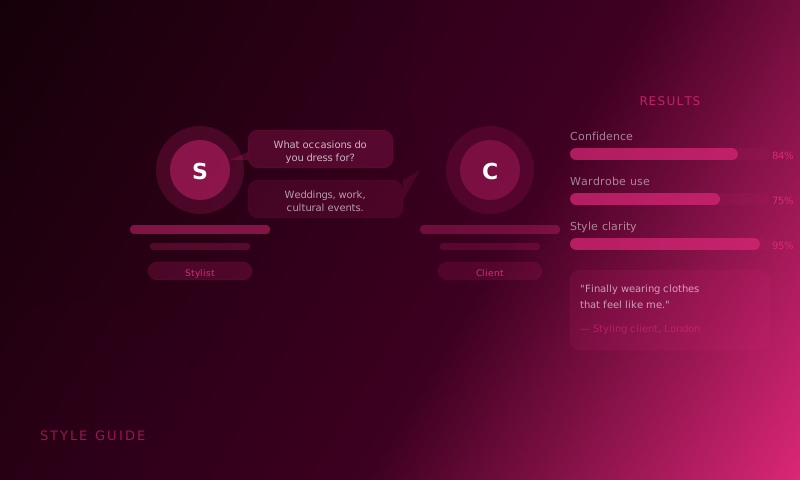
When working with a fashion professional on Tailorte, prepare a brief lifestyle overview before your first session: your typical week (what occasions and environments you dress for), your climate and season considerations, your most frequent outfit challenges (morning rush, travel, formal events), and any physical considerations that affect how you wear clothes. The more context you provide, the more targeted and useful the advice will be.
Building a Wardrobe Plan with Your Professional
With a completed audit and a clear lifestyle brief, your fashion professional can help you build a wardrobe plan — a structured approach to filling the gaps in your wardrobe over time. A good wardrobe plan isn't a shopping list; it's a prioritised, budget-conscious strategy that builds versatility and coherence across your wardrobe over weeks or months.
Your stylist or tailor will help identify which gaps are highest priority: the missing base layers that would make five other pieces more wearable, the one formal outfit you need for work events, the shoes that would complete three different looks. Strategic acquisition — buying less but choosing more intentionally — is the core philosophy of good wardrobe management.
The Role of Your Tailor in Wardrobe Management
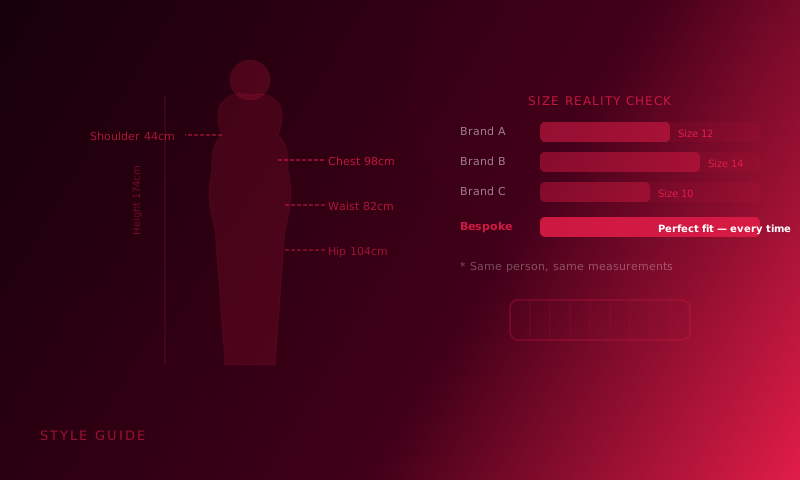
A skilled tailor is one of the most underutilised resources in wardrobe management. Beyond creating bespoke pieces, a good tailor can transform the fit of existing garments, extending their wearability and value dramatically. A pair of trousers that hangs badly can become a perfectly fitting wardrobe staple after a single alteration session. This is almost always more cost-effective and more sustainable than buying a replacement.
Using Tailorte, you can book regular alteration and maintenance sessions with your tailor — an annual or biannual appointment where you bring pieces that need attention. Over time, your tailor builds a complete picture of your wardrobe and can proactively suggest alterations you hadn't considered, keeping your entire collection in optimal condition.
Shared Wardrobe Records: The Power of the Tailorte System
Tailorte's wardrobe management tools allow your fashion professional to maintain a shared record of your key wardrobe pieces, your measurement history, your style notes, and the work they've done for you over time. This living document means that when you contact your stylist or tailor with a new need — a suit for a job interview, an outfit for a destination wedding — they can respond to that specific request with full knowledge of what you already own.
The best wardrobe isn't the biggest one — it's the one where everything fits, everything works together, and everything reflects who you actually are.
— Tailorte Editorial Team
Maintaining Your Wardrobe: Ongoing Care and Organisation
A well-curated wardrobe requires ongoing maintenance to stay useful. Beyond regular audits, this means proper storage (correct hangers, breathable covers for delicate pieces, folded versus hung decisions), correct laundering (following care labels, using appropriate products for natural fibres), and seasonal rotation (storing off-season pieces properly to protect them). Your fashion professional can advise on the specific care requirements for any custom or bespoke pieces they've made for you.
Start working with a fashion professional to build and manage the wardrobe you actually want. Book a wardrobe consultation on Tailorte today.
Book a Wardrobe Consultation